
You can buy a dress that looks perfect on the model, but the moment you try it on, something feels off. The hem lands at a strange place, the waist sits higher than you expected, or the fabric clings where you wish it would glide. A recent Gitnux body image report found that around 70% of women feel fashion is “not designed for bodies like theirs,” which is exactly why one “perfect dress” rarely fits everyone’s reality.
In real life, bodies are layered with height, curves, muscle, softness, health, and history. One person’s ideal wrap dress might feel too exposed on someone else, while a simple T‑shirt dress looks polished on one frame and too casual on another. The more you understand why fit and feeling change from body to body, the easier it becomes to stop chasing perfection and start chasing what actually works for you.
The Perfect Dress Changes With Your Proportions
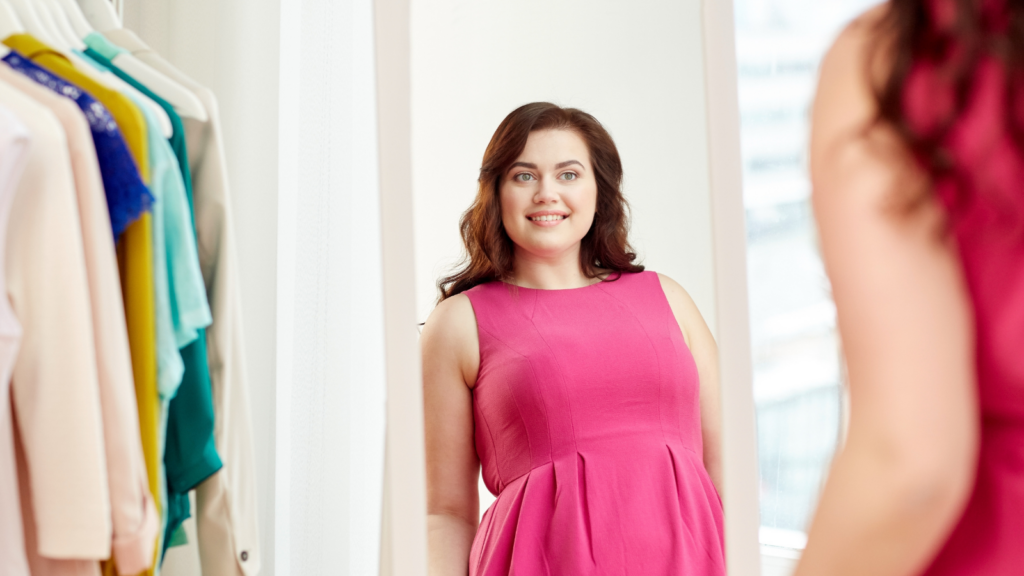
Two people can wear the same size and still have completely different experiences in the same dress. One might have broader shoulders, another fuller hips, and a third a more defined waist, and each of those proportions shifts where seams, darts, and waistlines sit.
In one consumer sizing study, more than half of shoppers said dresses “rarely fit right in all key areas” because standard patterns don’t match the real distribution of curves. Most mainstream guides still treat bodies as simple shapes, but in reality, many people are a blend of silhouettes rather than a single category.
That is why the “perfect dress” looks different; it is negotiating with your actual outline, not with a neat diagram. Once you accept that a dress is cut for a specific set of proportions, it becomes easier to say, “This dress is wrong for me,” instead of “My body is wrong for this dress.”
Fabric Changes How A Dress Meets Your Body

The same cut can feel completely different depending on the fabric. A wrap dress in heavier cotton or ponte knit supports curves and smooths lines, while a very thin jersey version of the same wrap clings to every contour and seam.
Fabrics like cotton and linen tend to move with you, allowing for air circulation and softness, which matters more when you have areas prone to chafing or heat. Synthetic blends can give structure and stretch, but they also hold warmth and can exaggerate cling.
The “perfect dress” for one person might be in a crisp, structured fabric; for another, it lives in materials that flex and breathe with their everyday movement.
Comfort Is Not Negotiable For Some Bodies
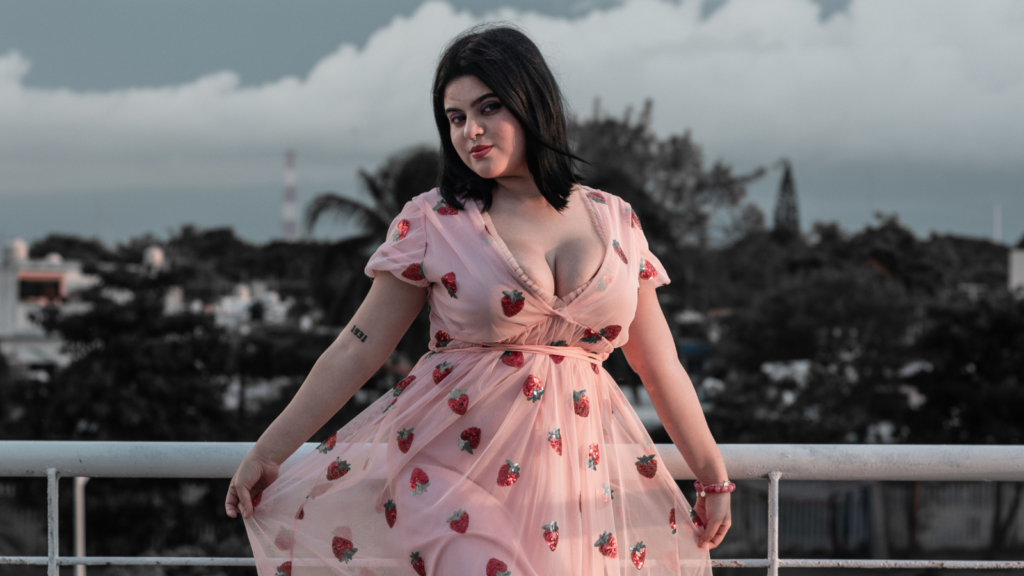
There are bodies that can tolerate tight, unforgiving seams and stiff fabric for hours, and there are bodies that pay for that choice in pain at the end of the day. When you live in a body that already carries extra pressure on joints, cushioning, or back, comfort stops being a luxury and becomes essential.
A survey cited in Psychology Today reports that between 32% and 55% of women wear clothing so tight that it leaves marks or dents on their skin after removal, which shows how often dresses that look good on the surface can quietly hurt over the course of a full day. Comfort is not just about softness; it is about how your body responds to the dress over time.
A waist seam that looks sharp in a photo might dig in during a commute. A strapless style that stays put on a smaller bust may slide and strain on a fuller chest. The perfect dress changes when you give yourself permission to ask, “Can I live in this for a full day?” instead of only asking whether it looks good in a single moment.
Height And Torso Length Quietly Rewrite Every Hemline

The same dress can read as a midi on one body, a maxi on another, and a knee-length piece on someone else, all because of height and torso length. Shorter people often find that hems designed to hit mid-calf land closer to the ankle, while taller people watch those hems creep up toward the knee.
Fit surveys from online fashion retailers show that shoppers under 5’3″ and over 5’8″ report hem length issues in about 38–42% of reviews, compared with roughly 18–20% for those in the middle-height range. A high-waisted dress can create a flattering silhouette for one person but sit too close to the ribs or too low on another’s waist.
That is why a “perfect dress” photo can mislead you; the model’s vertical proportions are quietly doing half the work. The dress that feels perfect on your body is the one whose hem, waist, and overall structure match your actual proportions, rather than the assumptions built into a generic size chart.
Body Changes Over Time Redefine Perfection

Bodies are not static. Weight changes, hormones shift, health events happen, and life leaves its marks. A dress that felt perfect two years ago may feel wrong today, not because you did something “bad” but because your body changed.
Smaller changes, like bloating or muscle gain, can also alter how a dress sits at the waist or bust, making yesterday’s favorite feel less perfect now. A kinder approach is to let your definition of perfect move with your body, updating silhouettes, fabrics, and fits as your shape and needs evolve.
Emotional History Changes What Feels Perfect
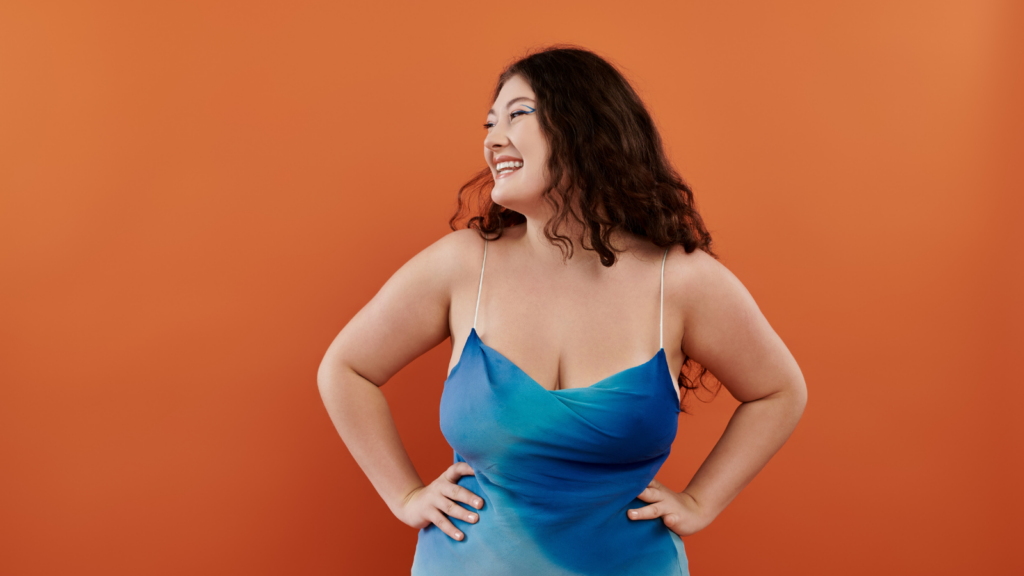
No dress exists in a vacuum; it arrives on a body with memories. If you have been shamed for your stomach, arms, or hips, a dress that highlights those areas may take more emotional work to wear, even if it technically fits. That constant self‑monitoring can quietly wear on your mental health as much as your confidence.
YouGov’s media and body image poll found that 76% of US adults believe media promotes an unattainable body image for women, which feeds exactly that sense that certain dresses are “not for your body.” Another person with a different history might slip into that same dress feeling light, playful, and free.
Sometimes the dress that is “objectively flattering” does not feel like you, while a looser, more unexpected shape makes you feel more at home in your skin. For people who have experienced body shaming, the right dress is often the one that lets them exist without constantly thinking about hiding or fixing something.
Different Bodies Have Different Movement Needs
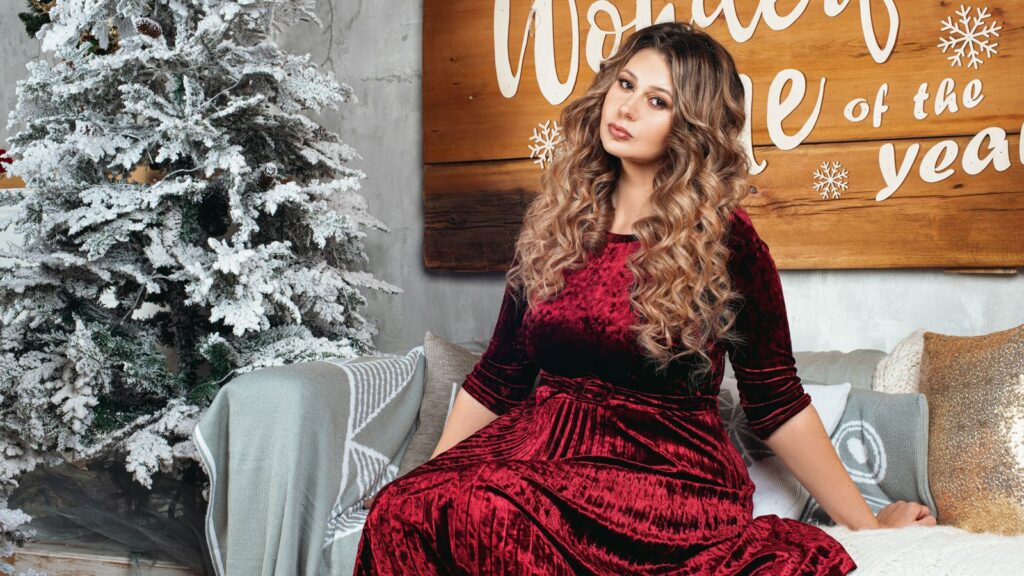
The dress that feels perfect for standing photos might fail you the moment you start living in it. Some bodies need more range of motion because their daily lives involve bending, lifting, commuting, or chasing children. The way a dress moves with you varies with your body shape and size.
On fuller hips, slits and slightly flared skirts can make walking easier; on narrower hips, a straight pencil cut might still allow for comfortable strides. A perfect dress respects the way your particular body moves through the world, not just the way it looks in a static pose.
“Perfect” Depends On The Occasion
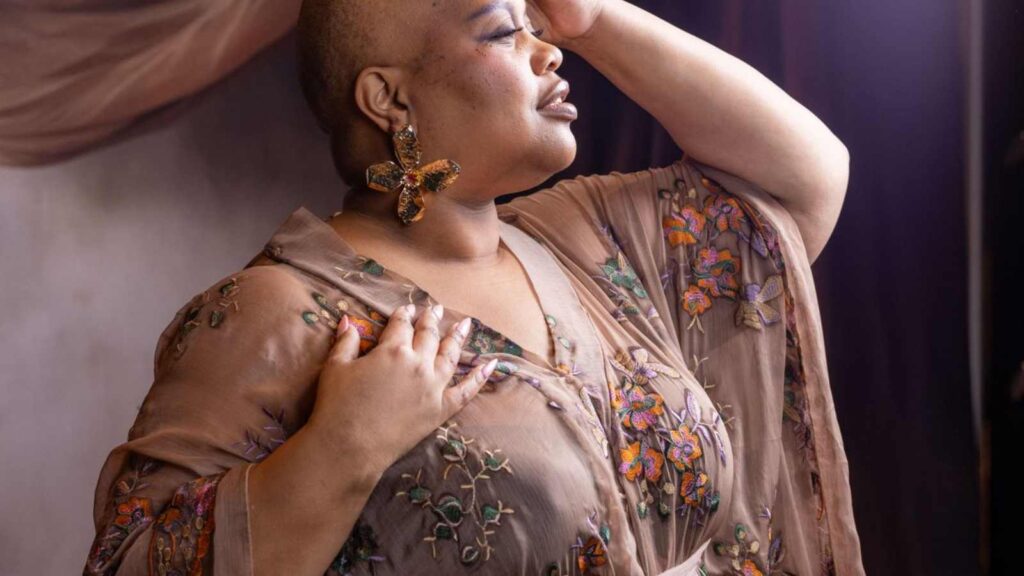
A dress that feels perfect for brunch might feel completely wrong in an office or at a formal event. Smaller bodies are often given more leeway to wear playful cuts in professional spaces, while bigger bodies are subtly pushed toward more conservative shapes.
Workplace conversations around dress codes and “professionalism” often turn into quiet policing of larger bodies, with plus‑size women more likely to hear that a perfectly normal outfit is somehow too loud, too tight, or not appropriate.
Your perfect dress shifts with context and with how your body is read in that context. In some rooms, you might want a dress that lets you blend in and focus on your work; in others, you might choose a bolder silhouette that puts your personality front and center. There is no single, universal perfect dress because everybody is walking into different expectations, prejudices, and freedoms.
Sizing Systems Still Ignore Many Bodies

Most sizing systems were not built with the full range of real bodies in mind. They assume standard ratios between bust, waist, and hip that do not match many plus-size or curvy people.
For some bodies, moving between straight and plus sizes means navigating entirely different fit philosophies. One brand may grade up thoughtfully with extra room in the right places, while another simply stretches the pattern and hopes for the best.
The perfect dress for you often lives in brands that actually fit your measurements, not just your label, which is why measuring your body and reading size charts matter more than any “perfect dress” promise in marketing copy.
Style Personality Changes What “Perfect” Looks Like
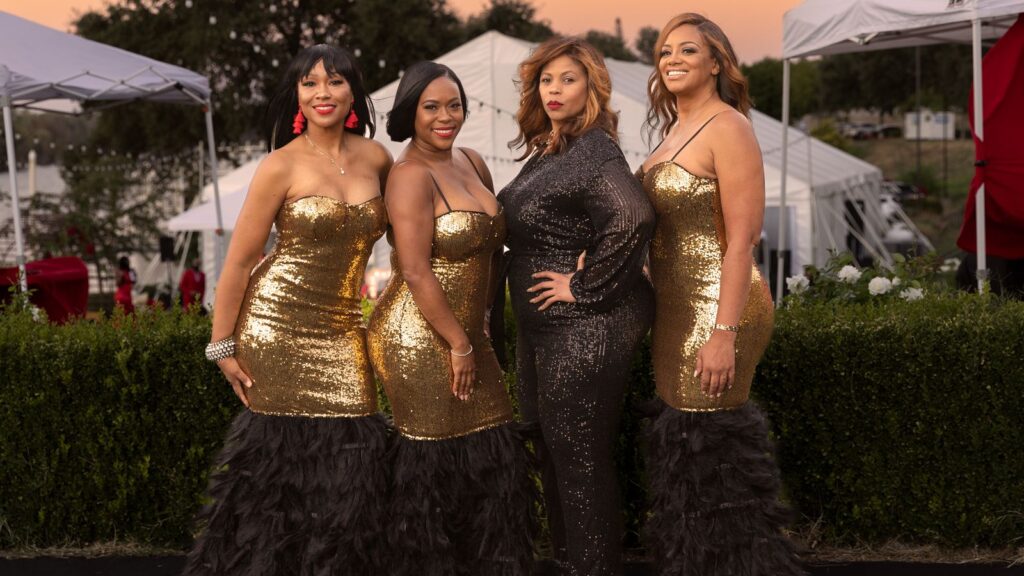
Two people with similar bodies might want completely different things from a dress. One loves drama, bold prints, and exaggerated sleeves. Another craves minimal lines, clean neutrals, and quiet cuts.
A recent style‑preference snapshot from a 2024 US fashion consumer survey found that 76% of shoppers plan to spend as much or more on fashion than last year. Still, they split between trend‑driven statement pieces and more classic, functional items even within the same size group, showing how much personality reshapes “perfect.”
A plus-size woman who loves maximalist fashion will experience a “perfect dress” as something that feels expressive and loud; another plus-size woman who favors simplicity will feel most herself in a dress that is almost invisible and second-skin comfortable. Perfect, then, is not only about how the dress sits on your body but about how well it speaks your language.
Cultural Background Shapes Dress Expectations

Ideas about what a dress should look like on a body do not come from nowhere. They come from families, communities, media, and cultural norms.
A recent 25‑year analysis of nearly 800,000 fashion ads, runway shows, and magazine covers found that the average American woman’s waist is about 30 centimeters larger and her body fat more than double that of the average fashion model, leaving “virtually no overlap” between everyday bodies and the ones used to sell dresses as ideal.
In some cultures, a fuller body in a fitted dress is celebrated and seen as glamorous. In others, the same silhouette is policed and framed as “too revealing” or “inappropriate.” Many plus‑size people are scaling different layers at once: global fashion images and personal comfort. A dress that feels perfect at home may feel underdressed in a corporate environment.
Your Perfect Dress Is About How You Feel In It
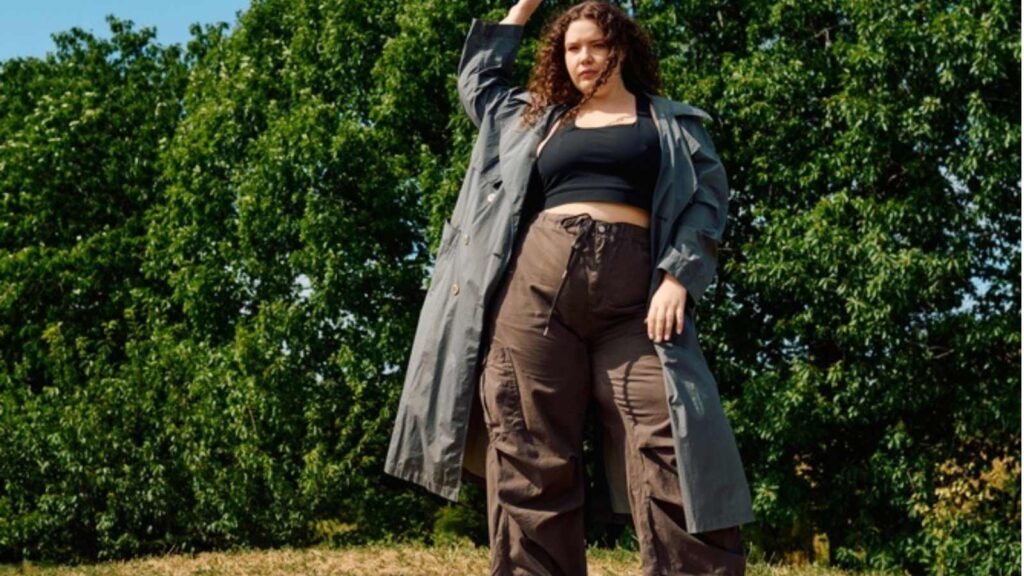
At the end of the day, the perfect dress is less about what it would look like on a mannequin and more about how it makes you feel in real life. For some, that feeling is powerful and sharply tailored. For others, it is soft, breezy, and easy.
When you step into a dress that feels right, you notice it immediately. You stand differently. You stop tugging at seams. You think about your plans more than your body.
That is the definition of perfect that matters most: not one dress that flatters everyone equally, but one dress that lets your unique body exist, move, and be seen without apology.
Key Takeaways

There is no single “perfect dress” because no two bodies carry the same proportions, history, movement needs, or style personality. The dresses that truly earn a place in your wardrobe are the ones that fit your actual measurements, respect your comfort, and feel emotionally honest on your body.
When you stop chasing a universal ideal and start looking for what works for you, the perfect dress stops being a myth and becomes a repeat‑wear reality.
Disclaimer: This list is solely the author’s opinion based on research and publicly available information. It is not intended to be professional advice.
Like our content? Be sure to follow us
This article, 12 Truths About Why the “Perfect Dress” Looks Different on Every Body first appeared on The Curvy Fashionista and is written by Victor Noble Victor Noble.
Never miss the latest in plus size fashion news, trends, and conversations! Sign up for Curvy Fashionista Newsletter!
from The Curvy Fashionista https://ift.tt/ueskvJi