
A pair of high heels, a pearl necklace, a pink sweater, or a delicate lace blouse can instantly convey a sense of femininity in modern fashion. Yet many of the garments and accessories now considered traditionally feminine began with completely different purposes.
Some were created for male soldiers, aristocrats, performers, and workers who needed practical solutions for movement, protection, status, or social expression. Fashion history repeatedly proves that clothing categories are not permanent rules; they are cultural interpretations that shift as societies change.
American consumers continue to show strong interest in clothing with history, individuality, and long-term value. The 2024 ThredUp Resale Report found that 65% of consumers want their clothing choices to express individuality, while the U.S. secondhand apparel market continues expanding as shoppers search for unique pieces rather than identical mass-market styles.
A garment that represents authority in one period can represent elegance, rebellion, or femininity in another. The transformation of these nine items demonstrates how fashion operates as a social language.
High Heels
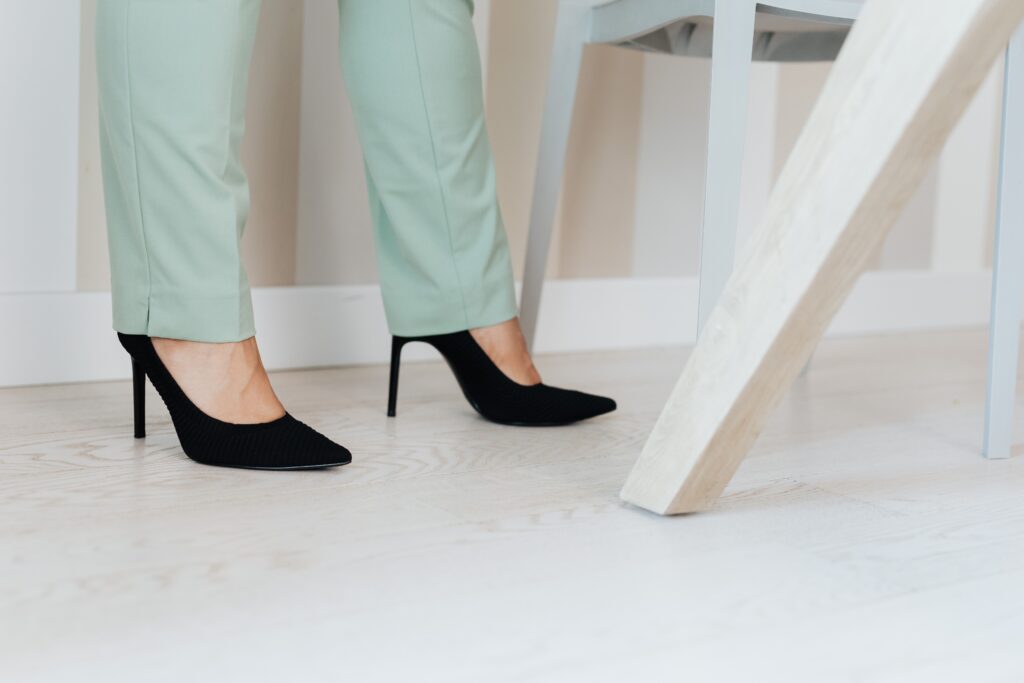
High heels represent one of fashion’s most surprising transformations because their earliest purpose had little connection with women’s clothing. The elevated heel developed as a practical tool for Persian cavalrymen who needed additional stability while riding horses.
The raised structure helped secure the foot inside a stirrup, giving riders greater control during movement. European aristocrats later adopted heels as symbols of wealth, power, and social status. During the seventeenth century, high heels became associated with male nobility, with elaborate designs, decorative materials, and expensive craftsmanship communicating status.
The construction itself reflected engineering choices: the raised heel changed posture, altered body proportions, and created a more commanding physical presence. The meaning of heels gradually changed as European fashion separated men’s and women’s clothing styles.
Over time, heels became increasingly associated with women’s footwear, elegance, and formal dressing. Today, the shoe represents confidence and style, yet its history reveals that fashion categories are shaped by cultural interpretation rather than by fixed design rules.
According to the National Retail Federation, footwear remains one of the largest apparel spending categories in the United States, showing how strongly shoes influence personal style choices. The journey of high heels demonstrates how a functional invention can become a powerful symbol of identity after centuries of cultural change.
The Color Pink
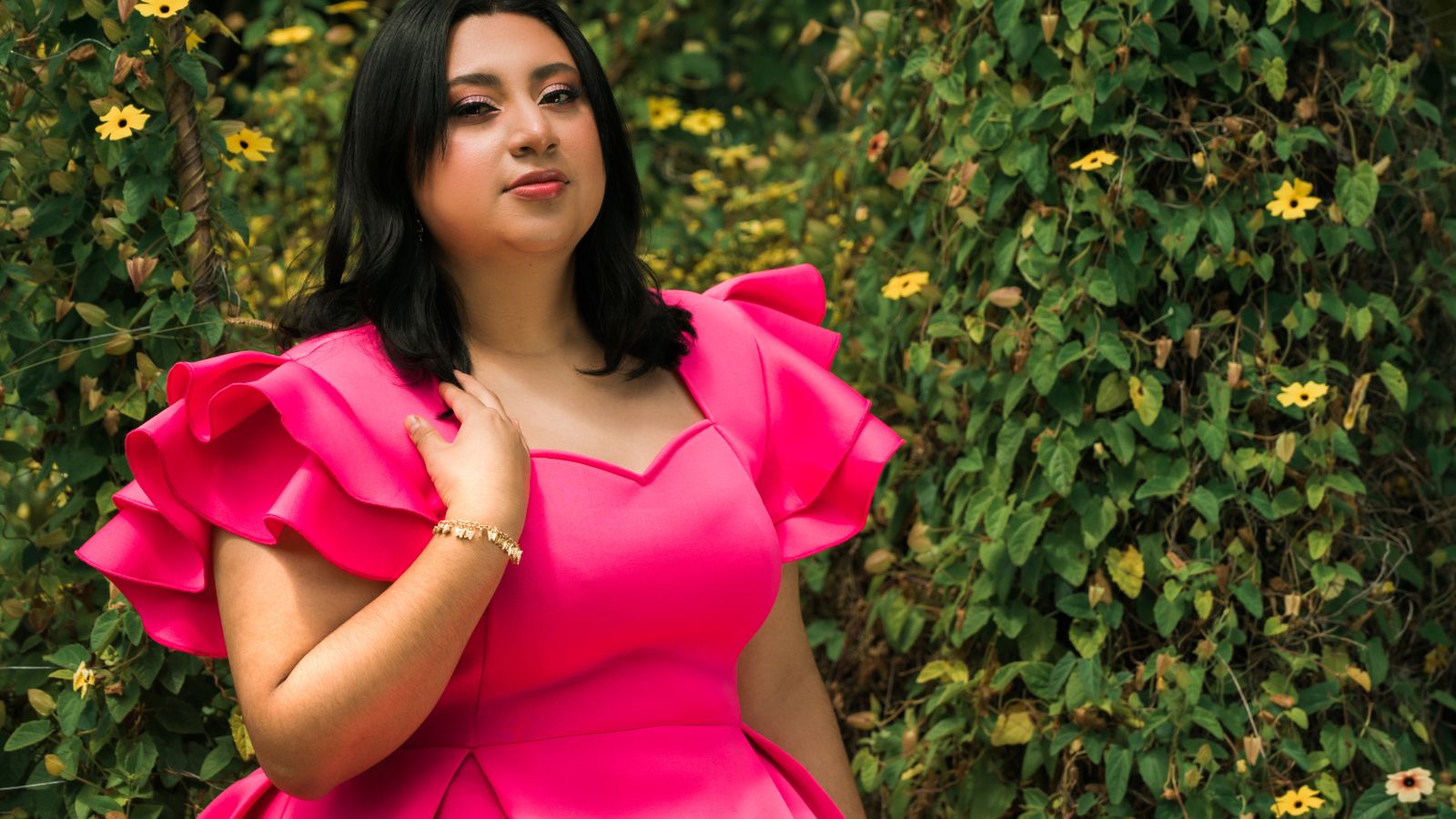
Pink’s connection with femininity is one of the clearest examples of how cultural meanings transform over time. Modern consumers often associate pink with women’s fashion, children’s clothing, and feminine branding, but historical records reveal a different story.
During the eighteenth and nineteenth centuries, pink frequently appeared in men’s clothing because it was viewed as a lighter variation of red, a color traditionally associated with strength, passion, and authority.
Wealthy European men incorporated pink fabrics, decorative details, and accessories into their wardrobes without the modern assumptions attached to the shade. The shift occurred gradually during the twentieth century as retailers, advertisers, and cultural trends increasingly connected specific colors with gender categories.
Consumer psychology research shows that color preferences develop through repeated social exposure rather than being universal in meaning. The Journal of Consumer Research has published studies showing that cultural associations strongly influence how people interpret colors and products. Pink’s journey demonstrates how fashion symbols are created through repetition and social agreement.
Color itself does not carry a gender identity; societies assign meanings based on historical context, marketing, and shifting cultural expectations.
Pearls
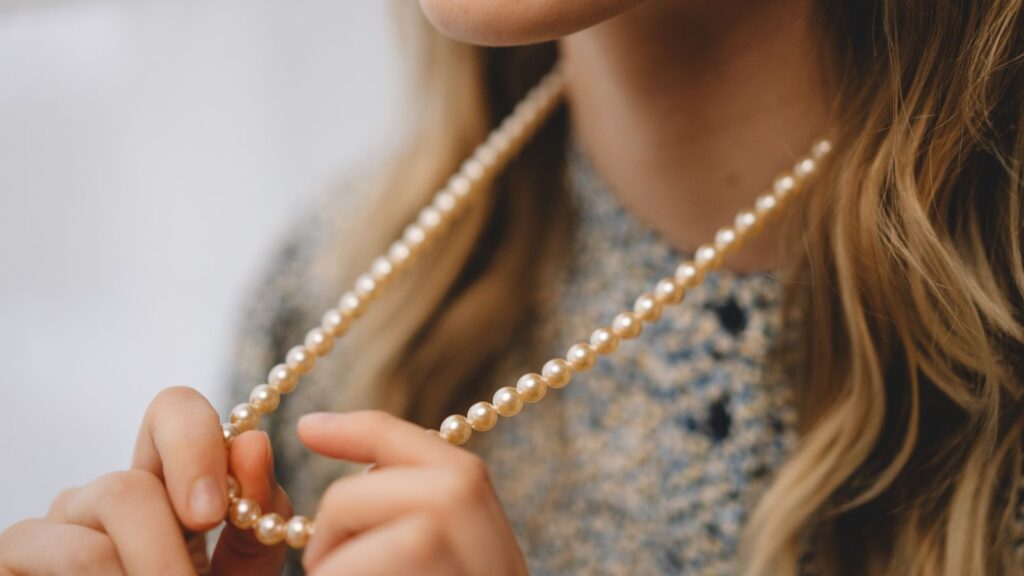
Pearls are now widely recognized as elegant jewelry associated with women’s fashion, but their history reveals a connection with male power and social status. For centuries, natural pearls represented rarity, wealth, and influence because finding and collecting them required significant resources.
Kings, emperors, and wealthy men used pearls to decorate clothing, crowns, military garments, and ceremonial accessories. Their appeal came from both their natural beauty and their scarcity, making them valuable symbols of authority.
The construction and placement of pearl decorations communicated social position. Unlike inexpensive accessories available today, historical pearl pieces required skilled craftsmanship and careful arrangement.
Men wore pearls because luxury materials helped demonstrate rank and financial success. As fashion traditions changed, jewelry gradually became more associated with women’s wardrobes, while men’s formal accessories became simpler and more restrained.
Modern consumer interest in vintage-inspired jewelry has helped revive appreciation for pearls beyond traditional styling. Contemporary pearl designs now appear in minimalist jewelry, casual outfits, and gender-neutral styling.
Skirts and Skirt-Like Garments
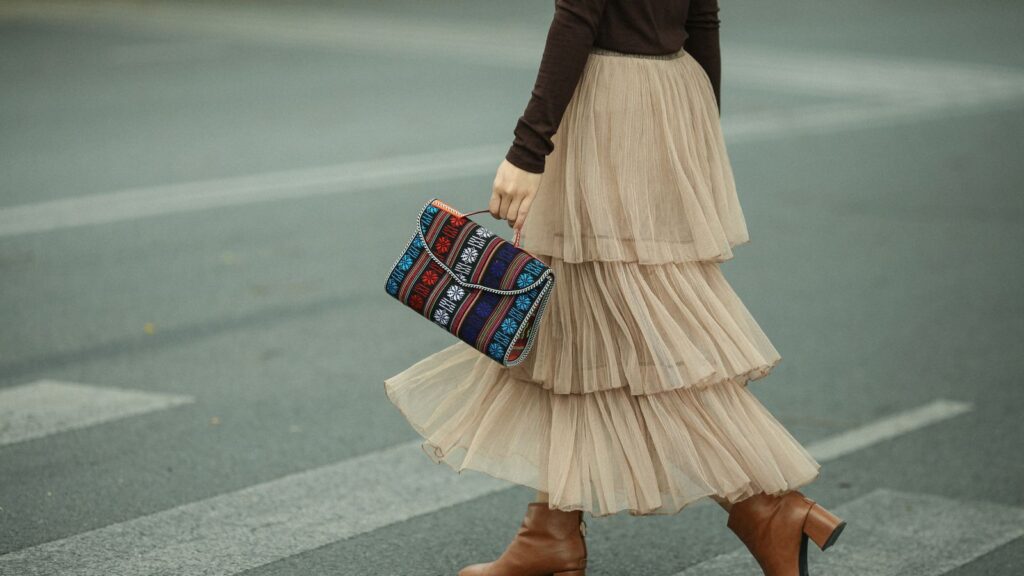
The modern association between skirts and women’s fashion represents a relatively recent cultural interpretation rather than a universal historical rule. For thousands of years, men across different civilizations wore garments resembling skirts, robes, tunics, and other draped styles because these designs offered comfort, freedom of movement, and practical advantages.
Ancient Greek and Roman men commonly wore tunic-style garments, while Scottish men continue to wear kilts as an important part of their culture. These garments worked because their construction allowed airflow, easier movement, and adaptability across different environments.
The idea that skirts belong exclusively to women developed through changing social expectations, industrialization, and shifts in Western clothing traditions. As men’s fashion became increasingly centered around trousers, women’s clothing retained more variety in silhouettes, including skirts and dresses.
The fabric, structure, and purpose of the garment did not suddenly change; the cultural meaning attached to it changed.
The Blouse
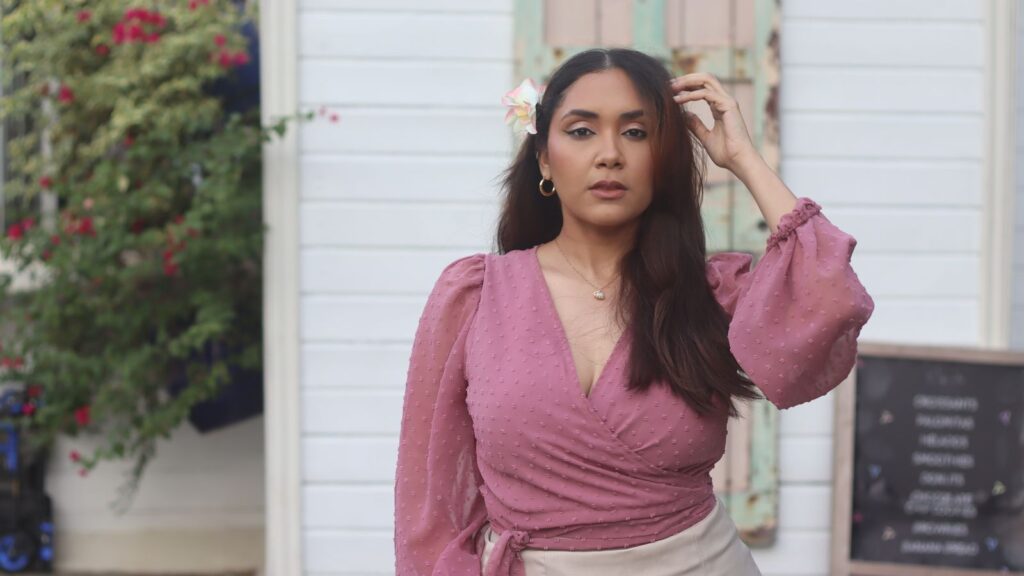
Early loose-fitting upper garments prioritized comfort, protection, and ease of movement over gender-specific styling. Workers and soldiers used simple shirts because their relaxed structure allowed physical activity while providing coverage and durability.
As women’s fashion developed, the basic shirt concept transformed through changes in fabric selection, shaping techniques, and decorative elements. Designers added details such as ruffles, bows, embroidery, puffed sleeves, and softer materials, creating the feminine blouse silhouette recognized today.
The garment’s transformation demonstrates how styling choices can completely alter public perception while maintaining the same functional foundation. A shirt and blouse share similar construction principles: sleeves, collars, closures, and fabric panels all work together to create comfort and structure.
The modern blouse reflects these priorities because it can serve in professional settings, casual occasions, and formal events, depending on fabric and styling choices.
Ballet Flats
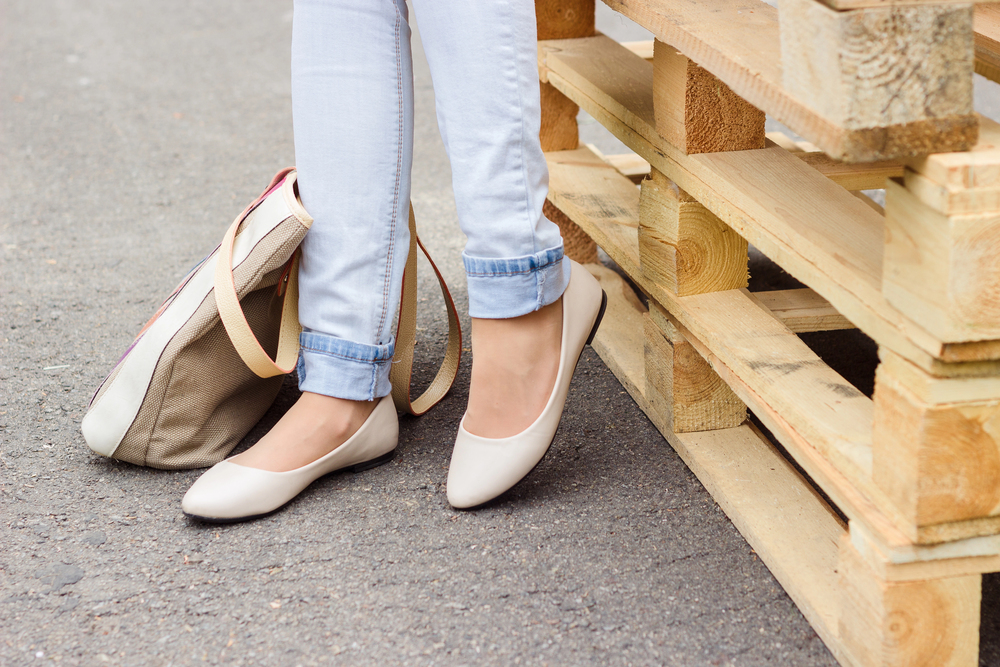
Ballet flats are among the most recognizable feminine footwear styles today, yet their origins are closely tied to performance shoes designed for movement and technical ability. Ballet footwear developed through the needs of dancers who required lightweight construction, flexibility, and precise contact with the floor.
Male dancers used similar flat shoes because balance, foot control, and unrestricted movement were essential for performance. The shoe’s practical design relied on features such as thin soles, flexible materials, and close-fitting construction.
As ballet gained popularity among wider audiences, women’s ballet footwear influenced everyday fashion. The transition from stagewear to streetwear demonstrates how specialized clothing often moves into mainstream wardrobes when consumers recognize its comfort and visual appeal.
Ballet flats offered an alternative to structured footwear by providing ease of movement while maintaining a polished appearance. Their simple shape allowed them to pair with dresses, trousers, skirts, and casual outfits, making them highly adaptable.
The growth of comfort-focused fashion has helped maintain interest in flat footwear across the United States.
Lace

Lace is now strongly connected with feminine fashion, appearing in wedding dresses, lingerie, blouses, and romantic clothing, yet its historical role was once centered on male wealth and influence. During the sixteenth and seventeenth centuries in Europe, lace represented luxury because producing the intricate textile required significant time, skill, and expensive materials.
Wealthy men wore lace collars, cuffs, and decorative details on formal garments to display social position and financial success. The delicate patterns created visual contrast against heavier fabrics such as wool, velvet, and silk, adding refinement to structured clothing.
The construction of lace explains why it became such a powerful status symbol. Unlike simple woven fabrics, lace relies on open patterns created through specialized techniques that require precision and patience.
The detailed craftsmanship made lace difficult to reproduce quickly, increasing its value among wealthy communities. As men’s fashion became more focused on simpler tailoring and restrained decoration, lace gradually moved into women’s wardrobes, where it became associated with elegance, romance, and femininity.
Handbags
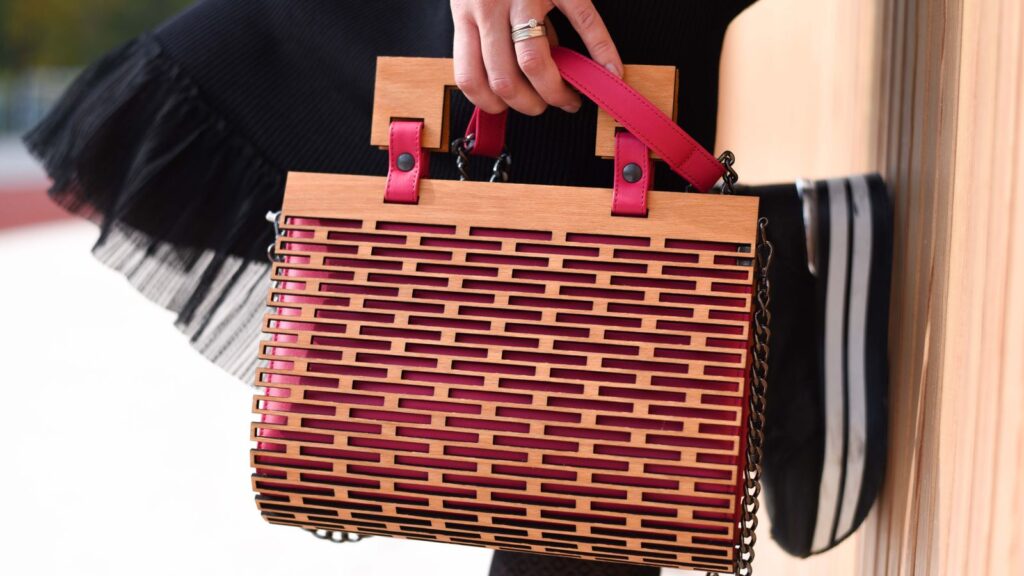
Before handbags became a major fashion category, people relied on pouches, satchels, and small bags to transport essential items such as coins, tools, documents, and personal belongings.
Men frequently carried these practical containers because early clothing often lacked built-in storage. The purpose was simple: provide a convenient way to carry necessary objects while maintaining mobility. The development of larger pockets in men’s clothing changed how accessories evolved.
As men’s garments incorporated more practical storage, women increasingly relied on external bags because many women’s clothing designs offered limited pocket space. Over time, handbags moved beyond function and became a major form of personal expression through different shapes, materials, colors, and construction methods. Leather, canvas, woven textiles, and synthetic materials allowed manufacturers to create bags suited for different lifestyles and occasions.
Tights and Hosiery

Tights and hosiery are now commonly associated with women’s fashion, dancewear, and performance clothing, yet fitted leg coverings historically played an important role in men’s wardrobes. European men, particularly members of the aristocracy, wore stockings and fitted hose because they provided warmth, flexibility, and a polished appearance.
These garments allowed freedom of movement while creating a smooth silhouette under formal clothing. During certain historical periods, decorated hosiery became a visible sign of wealth and social position. The construction of traditional hosiery required careful attention to fit and material.
Early versions used fabrics such as wool, silk, and linen, while modern tights benefit from synthetic fibers such as nylon and elastane that improve stretch, durability, and comfort. These material developments changed how the garment functioned, allowing it to move from formal clothing into athletics, dance, fashion, and everyday wear.
Today, tights appear in professional wardrobes, casual outfits, performance clothing, and seasonal fashion.
Key Takeaways

- Many feminine fashion items began as practical or status-focused clothing for men.
- Gender associations in fashion are shaped by culture, history, and social trends.
- Fabric construction and garment purpose often remain consistent even as meanings change.
- Consumer preferences continue to influence how old styles are reinterpreted.
- Fashion history demonstrates that clothing categories are flexible, constantly changing, and open to new interpretations.
Disclaimer: This list is solely the author’s opinion based on research and publicly available information. It is not intended to be professional advice.
Like our content? Be sure to follow us
This article, 9 Very Feminine Items That Were Originally Made for Men first appeared on The Curvy Fashionista and is written by Sylvia Cooper.
Never miss the latest in plus size fashion news, trends, and conversations! Sign up for Curvy Fashionista Newsletter!
from The Curvy Fashionista https://ift.tt/5JBKLju