
Reuters reported that Customs and Border Protection has processed more than $35 billion in refunds since the Supreme Court struck down the IEEPA tariffs in February, with a court filing estimating the eligible pool could reach $166 billion once all claims are resolved.
Roughly 300,000 importers stand to collect, including Walmart, Target, Nike, Gap, and Home Depot. None of that money is required to reach a shopper’s cart. A jacket that cost more last spring because of a duty the Supreme Court later called illegal is, in most stores, still priced as if that duty exists.
The gap between what retailers are getting back and what customers are paying is not a mystery. It is nine separate mechanisms, legal, psychological, and mathematical, working at once.
Refunds Went to Retailers, Not Shoppers
Customs and Border Protection built its refund portal to pay the businesses that filed the original entry paperwork, which means a shopper who absorbed a tariff-driven price hike has no claim to file and no line to stand in.
Only the importer of record, the retailer, or its supplier can apply, according to reporting on the CBP process.
That structural detail is why Minnesota State Auditor Julie Blaha joined other state officials in writing to the administration asking for public disclosure of refund applications and an accounting of costs passed to ordinary buyers.
Cards Against Humanity and Costco have volunteered to route savings back to customers anyway, which is notable precisely because nothing in the refund mechanism obligates anyone else to do the same.
Prices Rise Faster Than They Fall
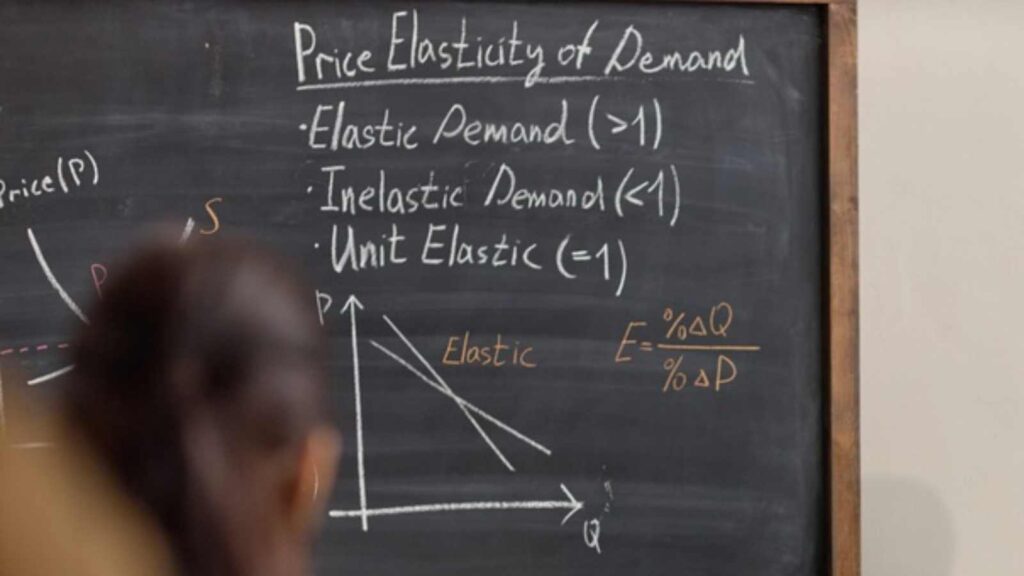
Retail economists call it rockets and feathers: costs rise like a launch and fall like a molted plume, with upward adjustments moving two to four times faster than downward ones across a wide range of markets and geographies.
Economist Mariano Tappata’s research in the RAND Journal of Economics found that the pattern holds even among competitive firms with no collusion, driven instead by consumers searching for better prices only after an increase, not after a quiet decrease.
Retailers face inelastic demand once a higher price has settled in, so the incentive to advertise a cut is weaker than the incentive that pushed the increase through in the first place. Clothing pricing has followed that curve for a full year now.
Markups Hide Small Savings

Fashion pricing runs on multiplication, not addition. Industry costing guides put the standard formula at cost of goods multiplied by two to two and a half for wholesale, then multiplied again by two to two and a half for retail, meaning a garment with an eight-dollar landed cost routinely reaches a thirty-two to fifty-dollar shelf price.
A tariff refund of a few dollars per unit gets absorbed into that chain long before it reaches the register, since retailers rarely re-run pricing math for a marginal drop in landed cost the way they do for a marginal spike.
Fabric alone can account for over half of the total production cost, leaving duties as one variable among many that a keystone formula was never built to isolate and refund on its own.
Higher Prices Became the New Normal
The Business of Fashion’s trade analysis after the Supreme Court ruling noted that labels that raised prices without losing customers are unlikely to surrender those gains now that costs have eased. Additionally, if production costs keep falling under the new tariff structure, the most powerful names will likely absorb the difference to widen margins instead.
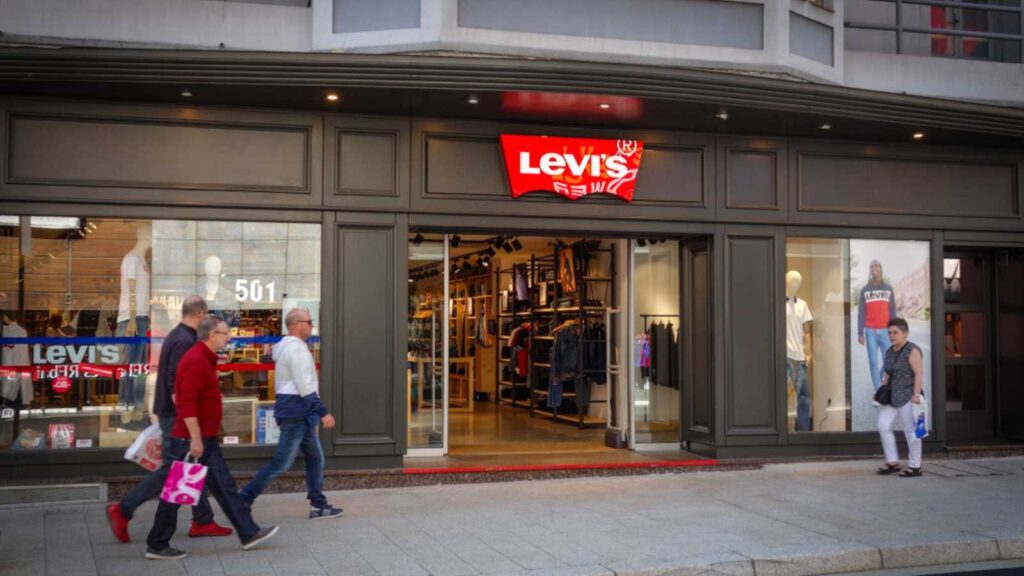
Reuters found the same instinct playing out on earnings calls, where Levi’s chief financial officer Harmit Singh described a full-court press on full-price selling because the brand’s customer, who typically earns over $100,000, kept buying anyway.
Aritzia’s finance chief reported minimal pushback, too. A price ceiling only holds if someone tests it, and this year almost nobody did.
Retailers Had Other Priorities
Telsey Advisory Group reviewed commentary from dozens of consumer companies after the refund process opened and found the dominant plan was reinvestment in the business, paying down debt, offsetting other rising costs like fuel, and returning cash to shareholders, with price cuts landing as one option among several rather than the default.
Walmart is a partial exception, with chief financial officer John David Rainey telling investors the retailer sees its best return on capital in investing in price as it pursues roughly $2.4 billion in refunds.
BJ’s Wholesale disclosed refunds added about 50 basis points to quarterly merchandise margin, a boost executives chose to split between shareholders and select markdowns rather than pass through in full.
Most Refunds Arrived Too Late
Credit analysts at Moody’s Ratings noted that tariff costs continue to drag on apparel and footwear margins specifically because companies are still selling through inventory purchased earlier at peak duty rates, a cycle that delays any pricing response by a full season or more.
Layered onto that is the refund calendar itself. CBP has said it expects to distribute approved reimbursements within 60 to 90 days of approval, and as of mid-May, the agency had cleared just under 87,000 applications covering 15.1 million import entries out of many millions filed.
A refund tied to a coat imported last winter arrives long after that coat left the sales floor, with no mechanism to retroactively adjust the price a customer already paid.
Lawsuits Made Brands Cautious

Consumers have already filed proposed class actions against Costco, Nike, Lululemon, Fabletics, FedEx and Nintendo, arguing that companies that passed tariff costs onto shoppers cannot now keep a government reimbursement for those same costs.
Forbes reported that one suit alleges a retailer passed along $240 million in tariff-driven costs while simultaneously pursuing recovery of those funds from the government.
The legal path is murky enough that investors have started offering to buy fashion companies’ refund claims outright at a discount for immediate cash.
Making a public pricing promise while litigation is pending risks becoming evidence in the very case a retailer is trying to settle quietly.
Wealthier Shoppers Kept Paying Full Price
A PwC retail consultant told Reuters that categories including back-to-school and Halloween merchandise were deliberately launched at full price this year specifically to test what the market would bear before any promotion followed.
Levi’s, Ralph Lauren, Under Armour, and Abercrombie all leaned into fuller pricing in recent disclosures, and the strategy worked because a meaningful share of apparel spending sits with households whose budgets barely register a tariff.
Retail pricing responds to resistance, and resistance simply did not show up this cycle among the shoppers driving revenue at the top of the market, leaving little commercial pressure to test a lower number anywhere in the assortment.
Supplier Costs Never Fully Reversed

Retail pricing is downstream of vendor pricing, and vendors facing their own cotton, freight and energy inflation have been slow to unwind increases they layered in alongside the tariffs.
A new wave of commodity cost pressure is arriving just as the tariff pressure eases, meaning a factory invoice rarely dropped even where a duty did.
S&P Global Market Intelligence found apparel firms had already built coping strategies from prior tariff cycles and treated the 2025 to 2026 duties as one more line item in a longer run of cost increases stacked on top of each other since the pandemic, not an isolated expense that disappears the moment a court rules against it.
Key Takeaways
- Refunds go to the importer that filed the paperwork, not the shopper who paid the higher price, so there’s no consumer claim to file
- Prices rise fast but fall slowly (rockets and feathers), and retailers have little incentive to advertise a cut
- Keystone markups multiply a garment’s cost 4-6x, so a small per-unit refund gets lost in the math
- Most companies are steering refund cash toward debt, shareholders, and margin, not price tags
- Lawsuits over who owns the refund are making brands cautious about promising anything publicly
Disclaimer: This list is solely the author’s opinion based on research and publicly available information. It is not intended to be professional advice.
Like our content? Be sure to follow us
This article, Retailers Got $35 Billion in Tariff Refunds. Here Are 9 Reasons Your Clothes Didn’t Get Cheaper first appeared on The Curvy Fashionista and is written by Pearl Patience.
Never miss the latest in plus size fashion news, trends, and conversations! Sign up for Curvy Fashionista Newsletter!
from The Curvy Fashionista https://ift.tt/8chW25g