
The fashion industry loves a good buzzword, and recently, inclusivity has become the hottest trend on the rack. Brands everywhere are slapping inclusive labels on their campaigns to win over eager shoppers. You see models of different shapes smiling on billboards and social media feeds. It looks like a massive step forward for body positivity and consumer choices.
The shiny veneer quickly fades when you actually click on the website to buy something. Shoppers often discover that this much-praised inclusivity magically stops at a size 2X. Leaving millions of eager buyers out in the cold feels like a slap in the face. We need to talk about why this half-hearted approach is actually worse than doing nothing at all.
The False Promise Of Real Representation
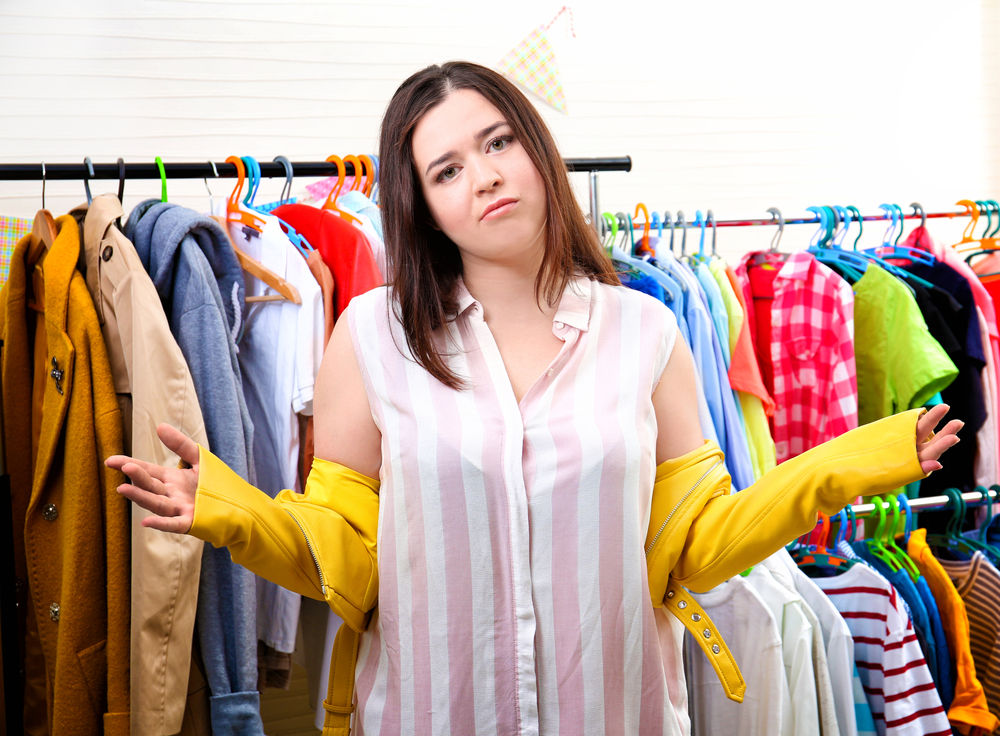
Consumers get incredibly excited when their favorite brand announces an inclusive clothing line. They rush to the store or website with their credit cards ready to spend. That excitement turns into instant heartbreak when the sizes end right where their bodies begin.
This bait and switch leaves shoppers feeling completely invisible and ignored by mainstream fashion. Market Growth Report shows that over 68 percent of American women wear a size 14 or above. Ignoring the majority of the population is simply bad business and terrible customer service.
Alienating The Core Customer Base
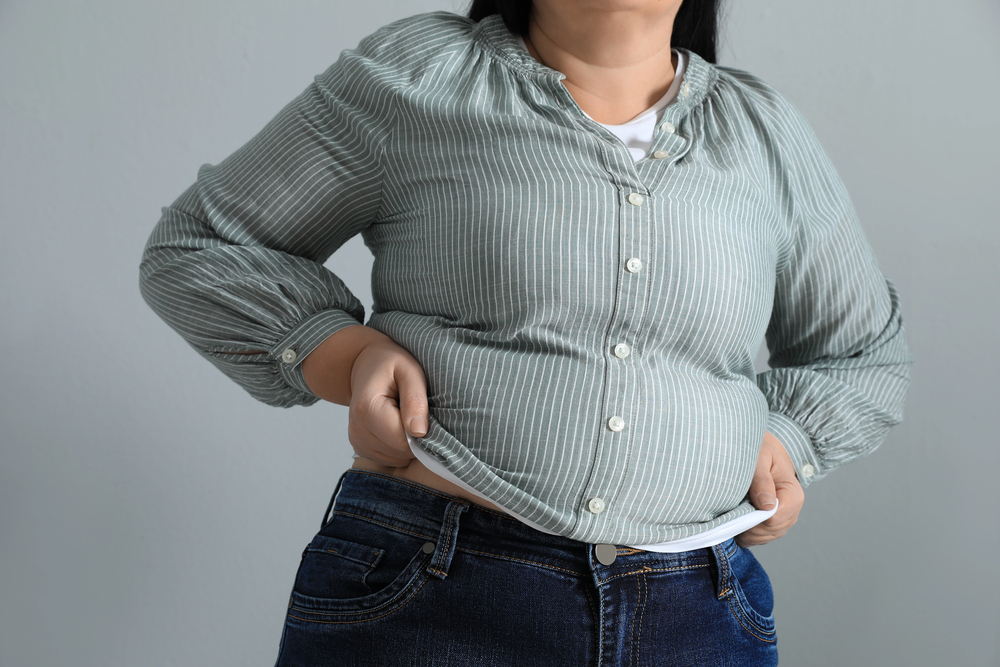
People want to spend their hard-earned money on clothes that make them feel fantastic. Brands that cap their sizes at 2X are literally leaving billions of dollars on the table. A shopper who cannot find their size will simply take their loyalty elsewhere.
True brand loyalty requires consistent reliability across all spectrums of the consumer market. Grand View Research valued the global plus-size clothing market at roughly 311 billion dollars in 2023. You cannot claim to serve the public while actively turning away such a massive demographic.
Redefining What Plus Size Actually Means
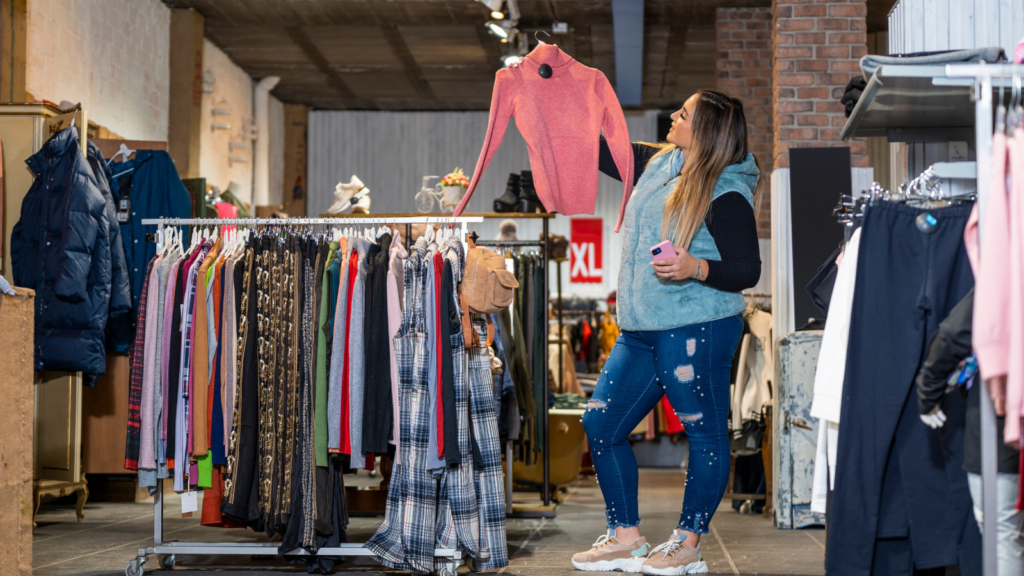
The clothing industry has a historically warped view of average body shapes and sizes. Treating a 2X as the absolute limit of human proportion is laughable at best. People come in an incredibly diverse array of beautiful shapes and wonderful sizes.
We have to completely shift how we view standard sizing in retail spaces. Smart Clothing Ltd recently found that the average American woman actually wears between a size 16 and 18. Stopping at a 2X means you are barely covering the statistical average.
The Harmful Impact On Mental Health

Shopping should be a fun experience filled with self-expression and personal joy. Hitting a literal wall in the sizing department takes a massive toll on self-esteem. It sends a very clear message that your body is somehow wrong or unacceptable.
People internalize these subtle rejections deeply and carry that weight around with them. A recent report by AOL revealed that 60 percent of plus-size women consistently struggle to find clothes that fit. This constant battle transforms a simple weekend errand into an emotionally draining ordeal.
Performative Activism In Marketing Campaigns
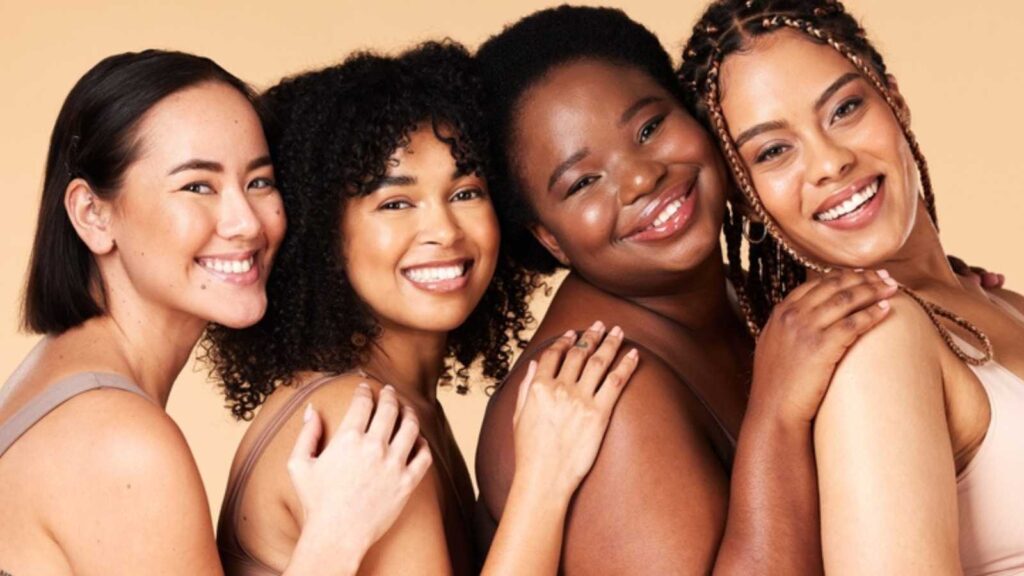
Using diverse bodies strictly for social media clout is a highly manipulative marketing tactic. Companies want the praise for being progressive without doing the actual work behind the scenes. This surface-level activism is completely transparent to the consumers who actually need the clothes.
You cannot use someone’s likeness to sell a vibe while denying them the product. Shoppers are incredibly smart and can spot a fake ally from a mile away. Real advocacy requires comprehensive sizing charts and actual inventory in the warehouse.
The Technical Excuse Does Not Hold Up
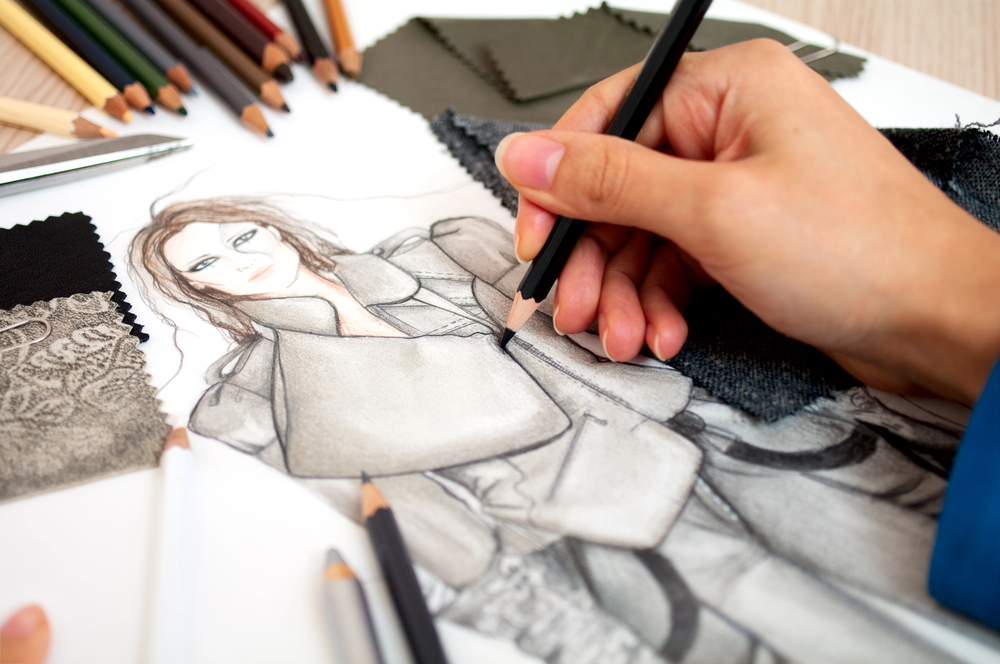
Designers often complain that scaling patterns above 2X is incredibly difficult and expensive. Creating larger clothes does require different grading techniques and specialized fitting models. This argument falls completely flat when smaller independent brands manage to do it successfully every day.
If a tiny startup can offer sizes up to 6X, a massive corporation has absolutely no excuse. Big brands have virtually unlimited resources and massive research budgets at their disposal. They are simply choosing to invest their money in other areas instead of a proper fit.
The Hidden Tax On Larger Bodies
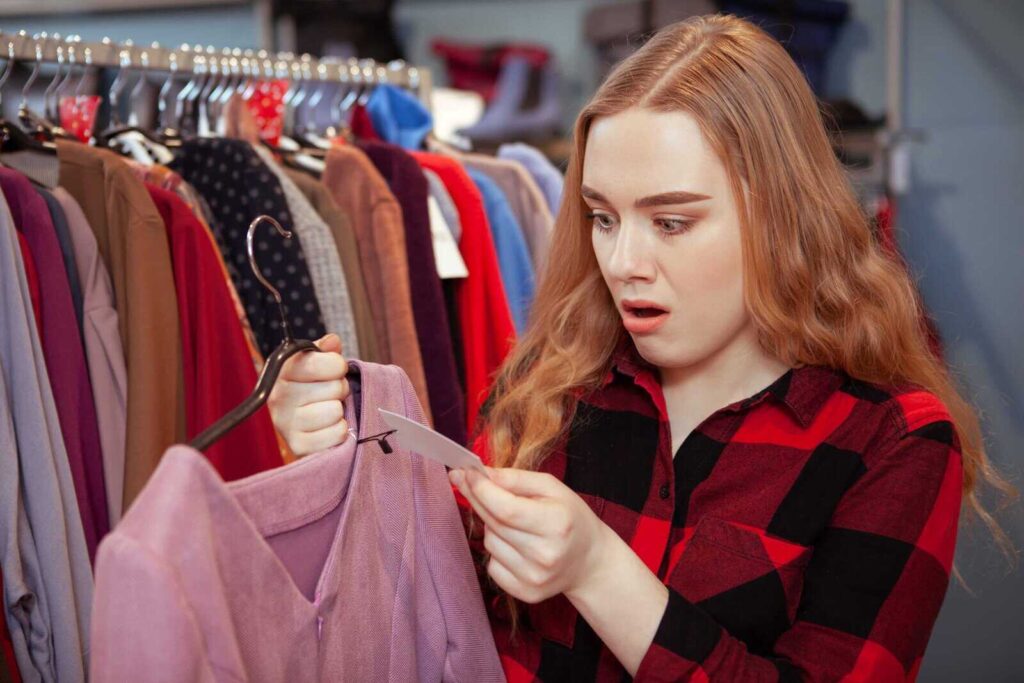
Even when brands do offer extended sizes, they often charge a premium for those specific items. This frustrating practice punishes people financially just for existing in a larger body. Consumers should never have to pay a penalty fee to wear the same shirt as their smaller friends.
Clothing production costs generally average out across the entire spectrum of manufactured sizes. Charging extra for anything over an extra large is a purely greedy corporate decision. It completely undermines any message of body positivity the brand might be trying to project.
Missing Out On Community Word Of Mouth

The plus-size fashion community is incredibly tightly knit and highly communicative online. When a brand actually gets it right, these shoppers will shout it from the rooftops. They create viral moments and drive massive organic traffic to the stores that actually support them.
Stopping at 2X generates the exact opposite kind of viral momentum on social media. Influencers will rightfully call out companies that practice this kind of deceptive marketing. A bad review from a trusted community leader can tank a collection overnight.
Sustainable Fashion Is Frequently The Worst Offender
Eco-friendly clothing brands often preach about saving the planet and caring for all humanity. These same companies frequently offer the most restricted size ranges on the entire market. You cannot claim to be ethical while systematically excluding fat people from your customer base.
True sustainability must include everyone if it is going to make a real difference. Larger consumers want to buy organic cotton and recycled materials just as much as anyone else. Creating an exclusive club for earth-friendly clothing completely defeats the purpose of the movement.
The Path Forward For Genuine Inclusion

Moving past performative labels requires a massive systemic overhaul of the entire design process. Brands need to hire fat designers and consultants who actually understand these specific fit issues. True change starts in the boardroom and trickles down to the sewing floor.
Companies must commit to offering their entire catalog in a truly comprehensive size range. Shoppers deserve to walk into any store and find something beautiful that actually fits their body. Anything less than full representation is just another empty promise dressed up as progress.
Disclaimer: This list is solely the author’s opinion based on research and publicly available information. It is not intended to be professional advice.
Like our content? Be sure to follow us
This article, The problem with brands that say size-inclusive but stop at 2X first appeared on The Curvy Fashionista and is written by Yvonne Gabriel.
Never miss the latest in plus size fashion news, trends, and conversations! Sign up for Curvy Fashionista Newsletter!
from The Curvy Fashionista https://ift.tt/1bgL34S