
Fashion in 2026 runs less like a creative guild and more like a network of interlocking power centers. A magazine executive, a conglomerate chairman, a Georgian provocateur, and a reality television entrepreneur can all claim a piece of the same cultural moment.
Some of these names draw near-universal respect. Others, like the designer whose Gucci debut split critics into camps of admiration and outright dismissal, as reported by the BBC, draw influence from the argument itself. The eleven names below were not chosen for name recognition alone.
Each one currently holds a lever, whether that lever is a design chair, a controlling stake, or a following large enough to move inventory in under three hours.
Anna Wintour
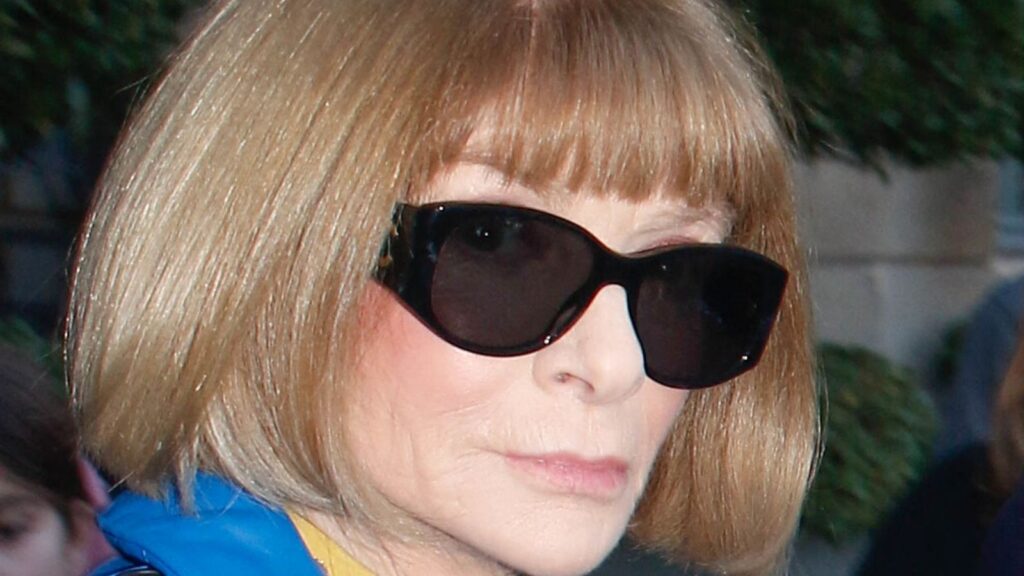
Wintour gave up the editor-in-chief title she held for thirty-seven years in June 2025, and the fashion industry spent the following weeks convinced she was retiring. She was not. She remains Condé Nast’s global chief content officer, overseeing titles including GQ, Architectural Digest, Vanity Fair, Bon Appétit and Teen Vogue.
Chloe Malle now runs Vogue’s daily print and digital operations and reports directly to her. The restructured title, head of editorial content, replaced editor-in-chief entirely across Condé Nast, part of a broader shift toward global editorial directors.
Wintour is still at the shows, still chairing the Met Gala, and still the person whose seating chart decisions ripple through an entire industry’s self-image.
Bernard Arnault
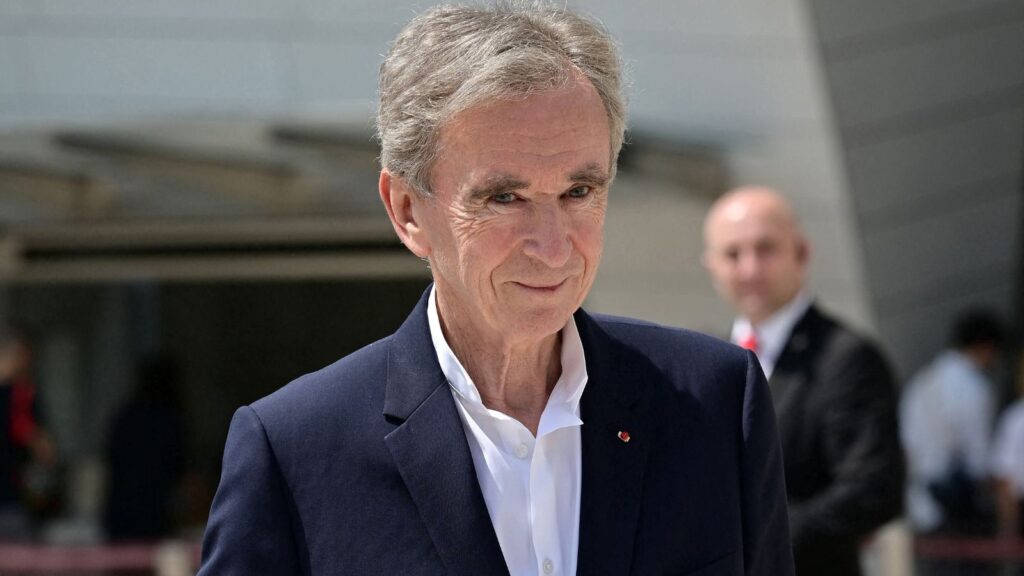
Louis Vuitton, Dior, Fendi, Celine, Loewe, Tiffany, Bulgari, and roughly seventy other houses answer to one chairman. Bernard Arnault and his family carry an estimated net worth of about $139.3 billion as of July 23, 2026. This places him among the ten richest people alive.
That figure swings by billions with each movement in LVMH’s share price, which means Arnault’s fortune is really a referendum on how the world feels about handbags and cognac in a given quarter.
He does not sketch a single garment himself. Instead, he decides who gets to, reshuffling creative directors across his empire the way other executives reshuffle department heads. The fashion calendar now bends around his appointments.
Jonathan Anderson
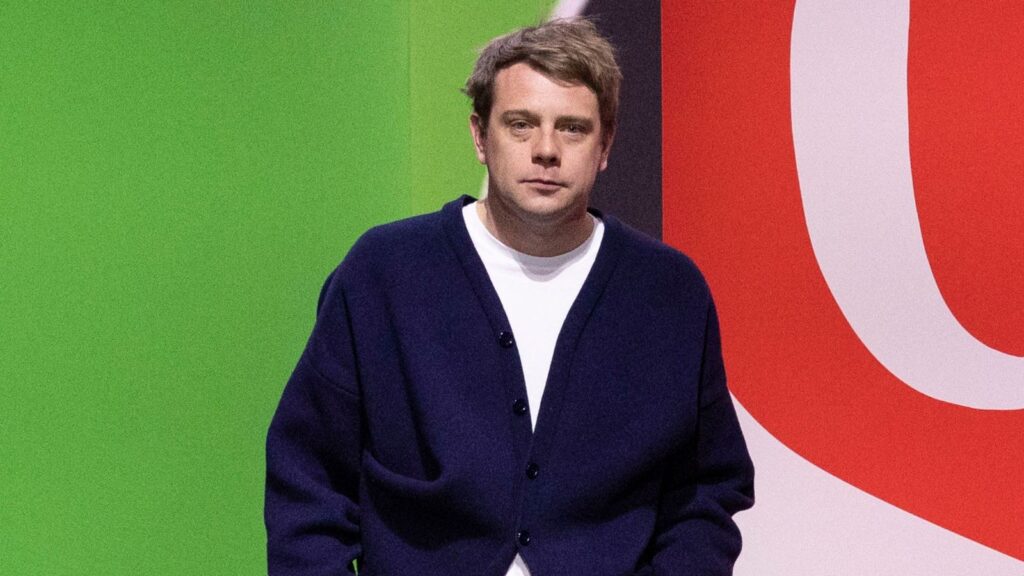
No one has held Anderson’s job since Christian Dior himself ran the house alone. After a decade rebuilding Loewe into a critics’ darling, Anderson took over Dior menswear in April 2025. He was handed womenswear, couture and accessories months later, an unprecedented consolidation of creative power under one name.
Bernard Arnault called him one of the greatest creative talents of his generation, adding that his artistic signature would be a crucial asset in writing the house’s next chapter.
Anderson’s January couture debut drew Rihanna backstage shouting her approval three times over. The industry has spent 2026 treating his every fabric choice as a referendum on where luxury fashion goes next.
Demna
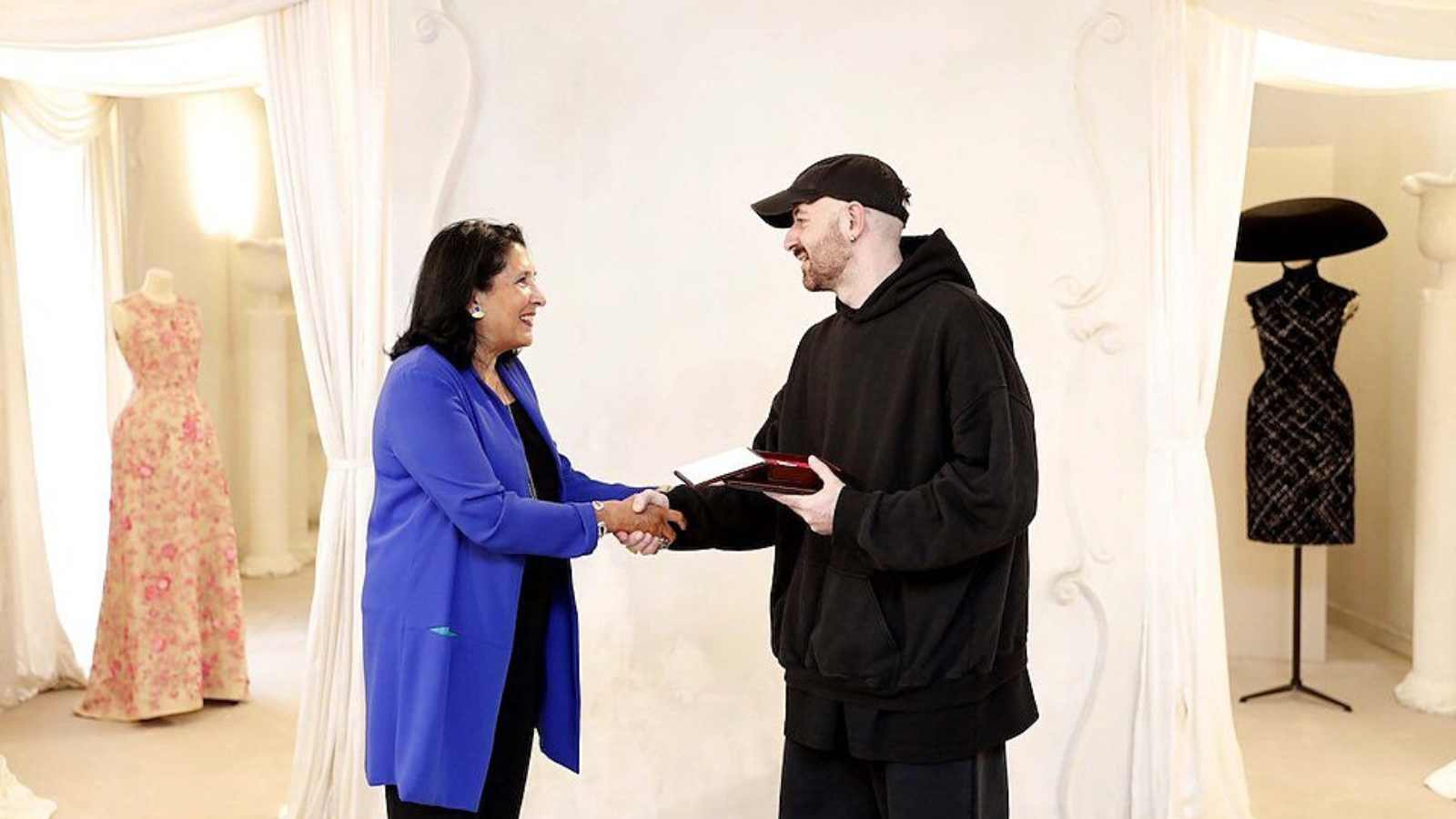
Before Gucci, Demna spent a decade at Balenciaga pushing revenue past the billion euro mark while building a reputation for staging shows inside mud pits and dressing models in gimp masks for a New York Stock Exchange stunt.
Under his tenure at Balenciaga, revenue soared, reaching 1.18 billion euros in 2021, a number Kering’s board could not ignore when Gucci needed rescuing after years of decline.
His February 2026 runway debut for the Italian house split critics instantly, some calling it a shrewd homage to Tom Ford and others dismissing it as costume.
Whichever reading wins, Demna’s Gucci has become the single most dissected creative relaunch in recent fashion memory, generating headlines whether the clothes land or not.
Pharrell Williams

Louis Vuitton handed its menswear chair to a Grammy-winning producer in 2023, a decision that looked like a branding stunt until Williams kept showing up season after season with fully realized collections instead of celebrity cosplay.
Louis Vuitton is delighted to welcome Pharrell Williams as its new Men’s Creative Director, the house said at the time, and three years later that welcome has expanded into architecture, perfume and full runway installations built around his own design philosophy.
His Fall Winter 2026 show constructed an entire prefabricated house concept beside the Fondation Louis Vuitton, complete with a bespoke scent from the house’s master perfumer. Few appointments once read as risky now look this vindicated.
Daniel Roseberry
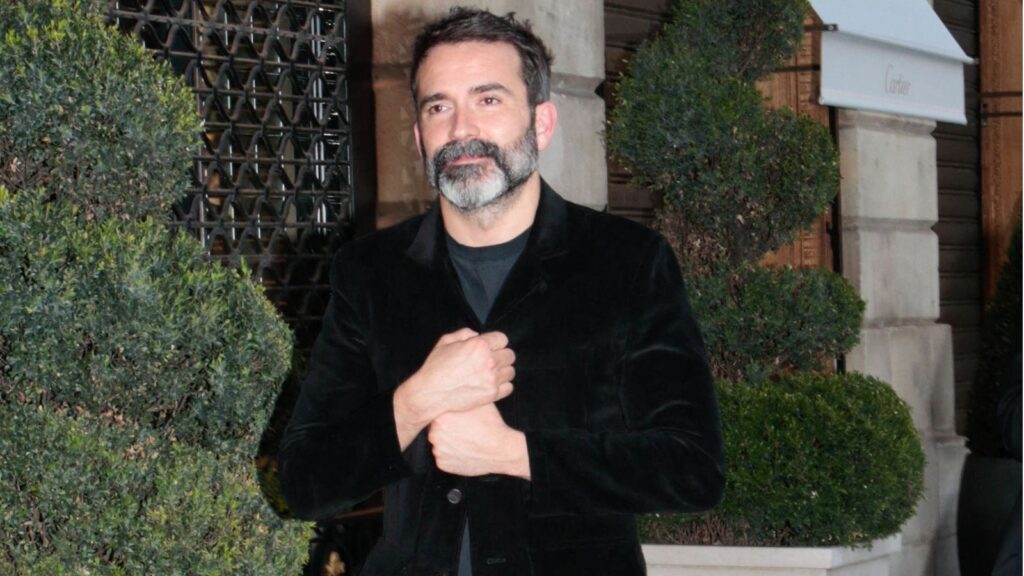
A century-old house that industry insiders barely tracked before 2019 is now responsible for some of the most reproduced red carpet images of the decade.
Roseberry took the creative reins just before the pandemic reshaped luxury spending. His gilded, surrealist instincts found their moment when Bella Hadid walked the 2021 Cannes Film Festival carpet. She wore a plunging black scoop-neck gown with a golden breastplate. This resembled the bronchial trees of human lungs.
Sandra Hüller’s architectural 2024 Oscars gown and a spring 2026 couture collection featured scorpion stingers arching over models’ heads, keeping the momentum building.
Roseberry did not just revive a dormant label. He taught the entire industry that shock value and craftsmanship are not opposites.
Miuccia Prada
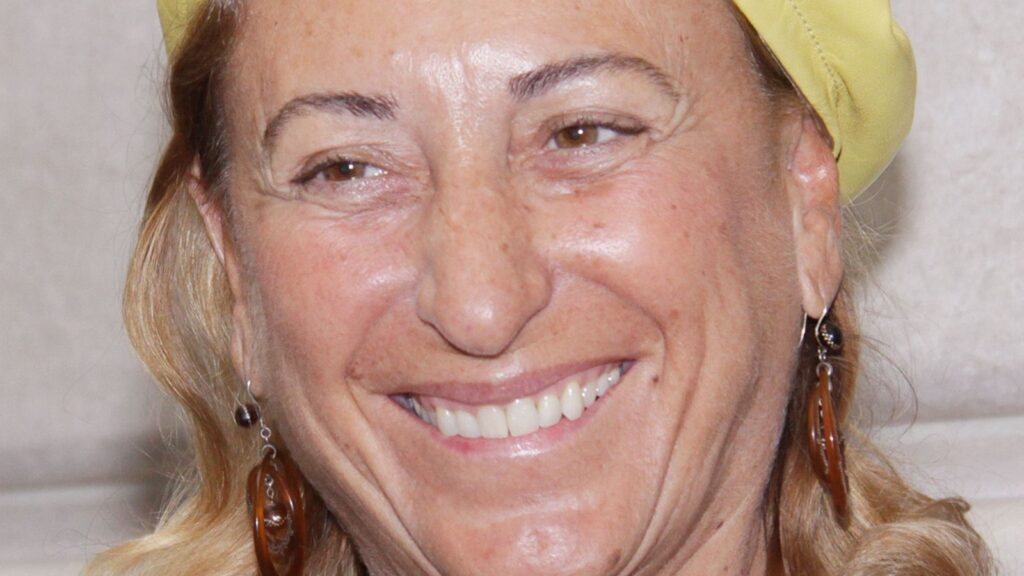
Prada built its reputation on intellectual minimalism, the kind of quiet authority that made Miuccia Prada one of the few designers whose name functions as a mood rather than a logo. That authority now extends further than a single label.
Prada Group’s net revenues rose 6% in Q1 2026 to 1.42 billion euros. At constant currency, growth reached 14% once the newly acquired Versace brand was folded in, the deal having closed that December.
Folding Versace’s maximalist legacy into a company built on restraint is a strange marriage on paper. The pairing still signals something real: how much creative and commercial authority now flows through Prada’s leadership.
Few designers have managed both a signature aesthetic and a conglomerate’s balance sheet this well for this long.
Kim Kardashian
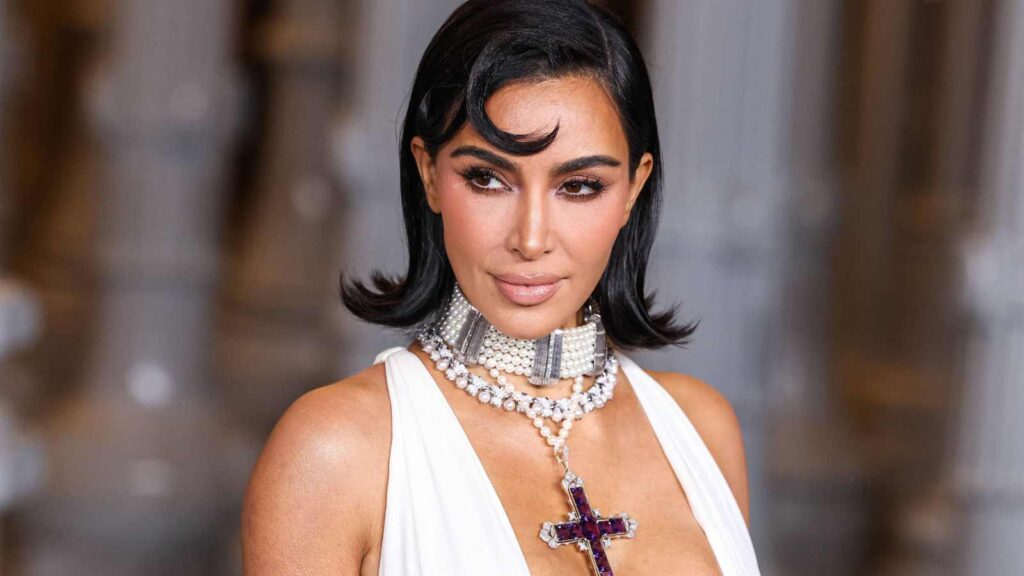
Skepticism followed Skims from its 2019 launch, when critics assumed a celebrity brand extension would fade within a season. It did not.
Kim Kardashian’s Skims raised 225 million dollars in new funding led by Goldman Sachs Alternatives in November 2025, valuing the company at 5 billion dollars, up from roughly 4 billion after its 2023 round.
Kardashian, who serves as chief creative officer rather than a figurehead, has pushed the company from digital-first direct-to-consumer into eighteen brick-and-mortar stores across the United States plus international locations.
Inclusive sizing built the loyalty. Retail expansion is now converting that loyalty into a valuation most legacy fashion houses cannot match.
Chiara Ferragni
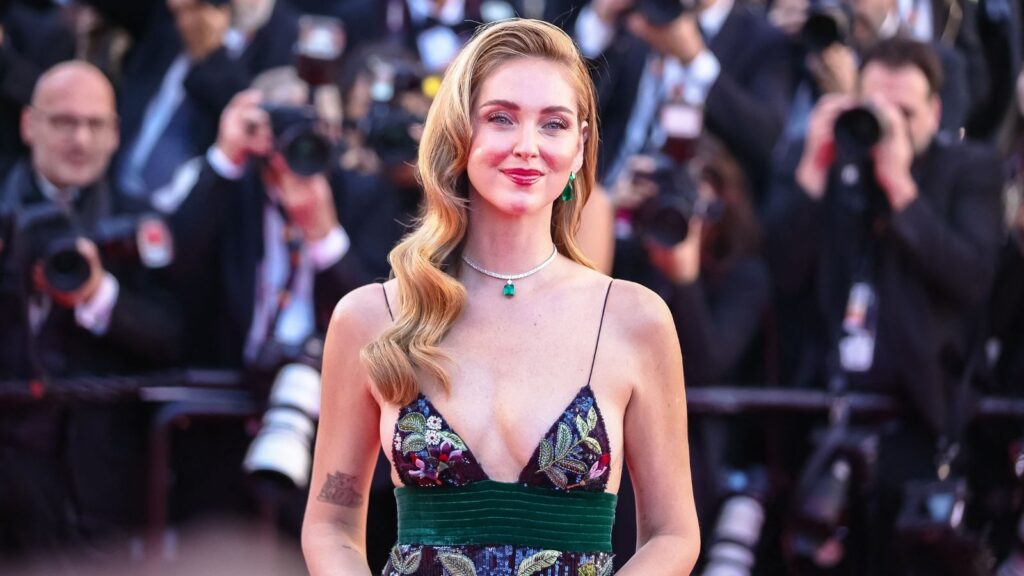
Long before influencer became a fashion job title, Ferragni was building an audience that treated her outfit choices as inventory previews rather than entertainment. That instinct has not faded with age or algorithm changes.
Her namesake label is stocked in more than 120 European boutiques. It also drove a reported 22-million-euro quarterly revenue spike after her 2026 Milan Fashion Week capsule sold out in under 48 hours.
Where a runway show might take a season to influence buying behavior, Ferragni’s posts can empty a warehouse before the day ends. Traditional editors questioned the legitimacy of that kind of power for a decade. The revenue numbers stopped that argument some time ago.
Harris Reed

Nina Ricci spent years as a quietly respectable name. Reed arrived with towering hats and sweeping silhouettes. The mood was unapologetically theatrical; the kind most French houses would have considered too loud.
He built his reputation on elaborate, gender-fluid design before finishing school. He then carried that sensibility directly into ready-to-wear and accessories for a global audience.
Industry watchers expect his impact to build steadily through 2026. His tenure represents a creative shift for the house. It also marks a broader cultural shift toward wider expressions of identity within French couture’s traditionally conservative walls.
Reed did not soften himself to fit the house. He is reshaping the house around himself instead.
Grace Wales Bonner
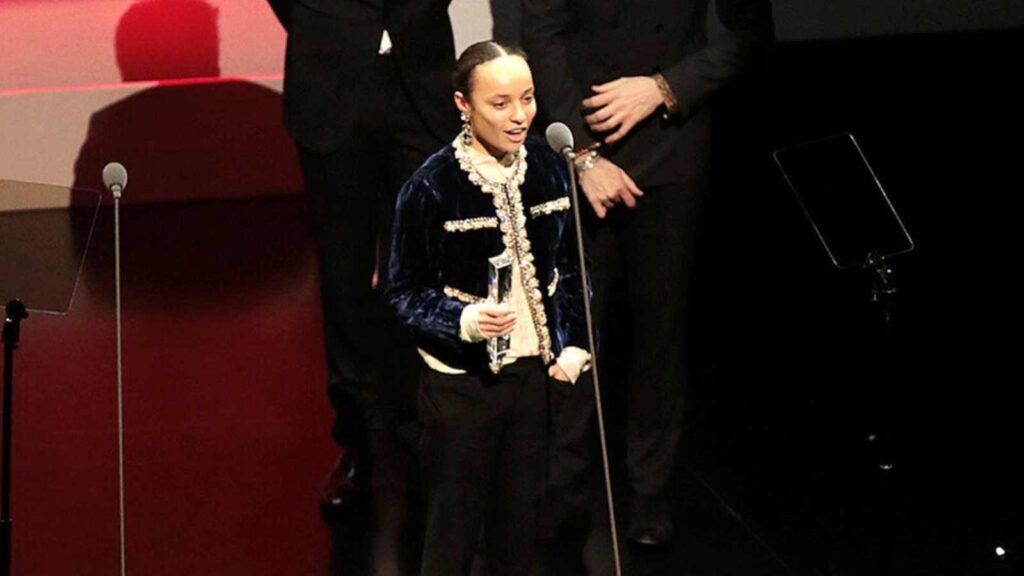
Wales Bonner spent a decade building a label defined by Afro-diasporic research and soulful tailoring. Her academic rigor is rare in menswear. Along the way, she collected an LVMH Young Designer Prize and a CFDA award.
That body of work earned her the job Véronique Nichanian held for thirty-seven years.
Wales Bonner became the first Black woman to lead creative direction at Hermès. It is one of the most storied leather goods houses in the world. Her debut menswear collection is set for January 2027.
Pierre-Alexis Dumas, the house’s general artistic director, said her curiosity strongly resonates with Hermès’ creative mindset. The appointment reframes what legacy houses now consider essential: not just craftsmanship, but authorship with a point of view.
Key Takeaways
- Fashion power in 2026 is split across five levers: editorial reach, ownership stakes, creative directorships, digital audience and founder equity.
- Anna Wintour gave up her title but not her authority, still overseeing Condé Nast globally while Chloe Malle runs Vogue’s daily operations.
- Bernard Arnault’s roughly $139 billion fortune ties directly to LVMH’s 75-plus brands, making him fashion’s most powerful non-designer.
- Creative director musical chairs reshaped 2025-2026: Jonathan Anderson now leads all of Dior, Demna took over Gucci, and Grace Wales Bonner broke Hermès’ menswear ceiling.
- Commercial power increasingly rivals runway power, with Skims hitting a $5 billion valuation and Chiara Ferragni’s capsule selling out in under 48 hours.
Disclaimer: This list is solely the author’s opinion based on research and publicly available information. It is not intended to be professional advice.
Like our content? Be sure to follow us
This article, The 11 Most Influential People in Fashion first appeared on The Curvy Fashionista and is written by Pearl Patience.
Never miss the latest in plus size fashion news, trends, and conversations! Sign up for Curvy Fashionista Newsletter!
from The Curvy Fashionista https://ift.tt/godhEAx